
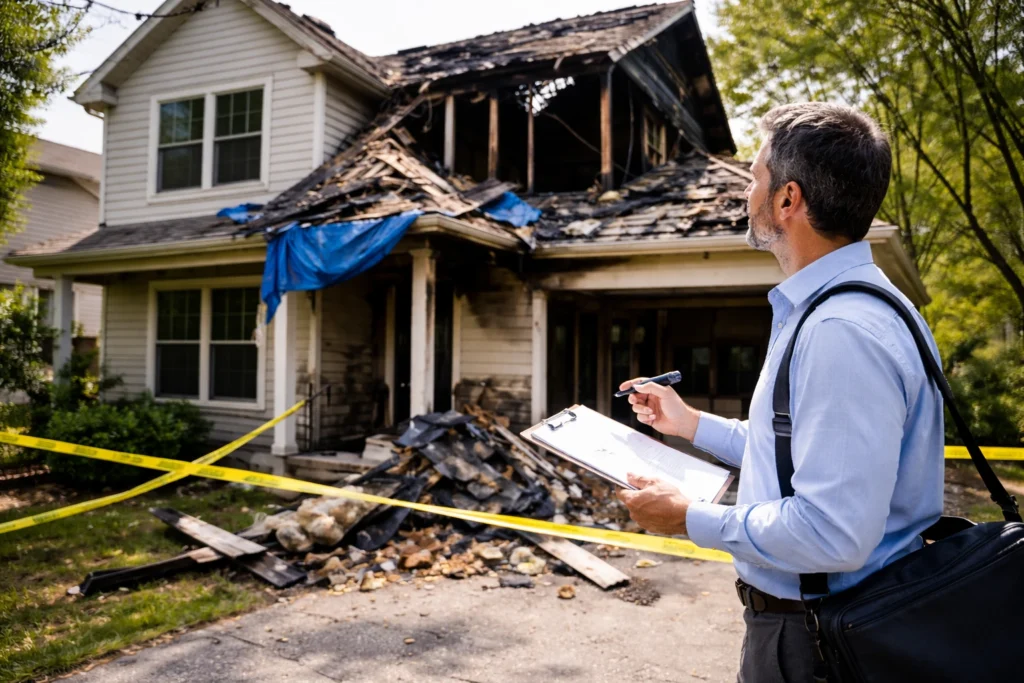
Property damage can flip your world upside down. One moment your home or business is running normally. The next, you’re staring at broken roofing, soaked drywall, or smoke-damaged rooms wondering what happens next. Insurance is supposed to help. And often it does. But the claims process can quickly become complicated. Documents pile up. Estimates vary. Communication slows down. Suddenly you’re trying to negotiate with an insurance company while also dealing with repairs, contractors, and daily life.
This is exactly why many property owners ask the same question: when to hire a public adjuster. Timing matters more than most people realize. Hiring professional help at the right moment can mean the difference between a smooth claim and months of frustration. In this guide, we’ll walk through the key moments when hiring a public adjuster makes sense, how they help during a claim, and how to decide whether it’s the right move for your situation.
Understanding What a Public Adjuster Does
Before deciding when to hire a public adjuster, it helps to understand exactly what they do. A public adjuster is a licensed professional who represents policyholders, not insurance companies. Their role is to manage and negotiate insurance claims on behalf of the property owner. Insurance companies have adjusters who work for them. A public adjuster works for you.
Who Public Adjusters Represent
Public adjusters advocate for the property owner throughout the claim process. Their focus is ensuring the claim reflects the full extent of the damage and the coverage provided by the policy.
They typically assist with:
- Inspecting the damaged property
- Documenting losses
- Preparing claim reports
- Reviewing insurance policy language
- Negotiating settlement amounts
This support becomes especially valuable when claims are complex or large.
Why Timing Matters in Insurance Claims
Insurance claims follow a structured process. Each step builds on the one before it. If something goes wrong early missing documentation, inaccurate estimates, overlooked damage it can affect the final payout. That’s why understanding when to hire a public adjuster is important.
Early Claim Stages
Right after damage occurs, property owners typically:
- Report the claim
- Document the damage
- Schedule an inspection
- Receive an estimate from the insurance company
These early steps shape the entire claim. Mistakes here can lead to underpaid claims later.
Professional Guidance Prevents Costly Errors
A public adjuster can help:
- Identify hidden damage
- Ensure documentation is complete
- Interpret complicated policy language
- Present a detailed claim to the insurer
In many cases, property owners hire adjusters only after problems appear. But sometimes earlier involvement prevents those problems entirely.
When to Hire a Public Adjuster After Property Damage
Not every claim requires professional representation. But certain situations strongly suggest it. Let’s look at the most common scenarios where hiring one makes sense.
Immediately After Major Property Damage
Severe damage often leads to complex claims.
Examples include:
- House fires
- Hurricane damage
- Tornado destruction
- Major water loss
- Structural damage
These events create large claims with multiple damage categories.
For example, a fire claim may involve:
- Structural repairs
- Smoke remediation
- Personal property loss
- Temporary housing expenses
Managing all of that alone can be overwhelming. Hiring help early can make the process smoother.
When Damage Is Extensive or Hard to Assess
Some damage is obvious. Other damage hides behind walls or under flooring.
Examples include:
- Water damage inside insulation
- Structural weakening
- Mold growth
- Electrical damage
If the damage is complex or unclear, it may be a good time to consider when to hire a public adjuster. They can perform a more thorough evaluation and ensure the claim reflects the full scope of repairs.
When the Insurance Claim Is Large
Large claims often involve more scrutiny from insurance companies.
Higher settlement amounts usually mean:
- More documentation
- Additional inspections
- Longer review times
- Negotiations over estimates
A public adjuster helps prepare a detailed claim that supports the requested settlement. This preparation can reduce disputes and keep the process moving.
When the Insurance Company Is Delaying the Claim
Delays happen. Sometimes they are reasonable. Other times they signal deeper issues.
Signs of problematic delays include:
- Long gaps between communications
- Repeated requests for the same documents
- Inspection rescheduling
- No clear claim timeline
When this happens, many property owners begin researching when to hire a public adjuster.
Professional representation can help move stalled claims forward.
When a Claim Is Denied
A denied claim can be frustrating and confusing.
Insurance companies may deny claims because of:
- Policy exclusions
- Documentation issues
- Coverage disputes
- Incomplete inspections
However, denial does not always mean the claim is over.
Public adjusters can review the policy, reassess the damage, and help prepare a more detailed claim or appeal.
When the Settlement Offer Seems Too Low
This is one of the most common reasons property owners hire help. An insurance company may offer a settlement based on their estimate of the damage. Sometimes that estimate falls short of actual repair costs. Here is where professional evaluation matters. A public adjuster can compare estimates and determine whether the settlement reflects the true scope of damage. If not, they can negotiate for adjustments.
Situations Where Public Adjusters Are Especially Helpful
Some claims are simply more complicated than others. These cases often benefit from professional representation.
Business Property Claims
Commercial claims can include multiple types of losses.
For example:
| Type of Loss | Description |
| Property damage | Structural repairs to the building |
| Equipment loss | Damage to machinery or tools |
| Inventory loss | Products destroyed by fire or water |
| Business interruption | Income lost while the business is closed |
Managing these claims requires careful documentation and financial calculations.
Public adjusters often help organize and present these losses clearly.
Rental Property Claims
Landlords face unique challenges during insurance claims.
Damage may affect:
- Multiple units
- Tenants’ living conditions
- Rental income
A public adjuster can help ensure that both structural repairs and financial losses are properly included in the claim.
Disaster-Related Claims
Natural disasters often create a surge of insurance claims. This can slow down the process significantly.
Common disaster claims include:
- Hurricanes
- Severe storms
- Tornadoes
- Large wildfires
During these events, insurers may handle thousands of claims simultaneously. Having representation can help your claim stay organized and properly documented.
Signs You Should Consider Hiring a Public Adjuster
Sometimes the need for professional help becomes obvious.
Here are a few warning signs.
You Feel Overwhelmed
Insurance claims involve paperwork, inspections, and negotiations. If the process starts to feel like a full-time job, it may be time to consider when to hire a public adjuster.
The Insurance Company Changes Adjusters
Sometimes insurers reassign claims to different adjusters during the process.
This can lead to:
- Repeated inspections
- Changing estimates
- Communication confusion
A public adjuster provides continuity throughout the claim.
The Claim Is Taking Too Long
While complex claims take time, long delays without clear explanations may signal problems. Professional representation can help bring structure back to the process.
Communication Becomes Difficult
If calls or emails go unanswered, frustration grows quickly. Public adjusters handle communication with insurers and ensure the claim stays active.
Benefits of Hiring a Public Adjuster
Hiring professional help offers several advantages. Not every claim requires it, but when it does, the benefits are clear.
Professional Damage Evaluation
Public adjusters perform independent inspections and create detailed loss reports. These reports help support the claim during negotiations.
Accurate Claim Documentation
Strong documentation is the foundation of a successful claim.
Public adjusters compile:
- Photos
- Damage inventories
- Repair estimates
- Policy references
This level of organization strengthens the claim.
Negotiation Experience
Insurance claims often involve negotiation. Public adjusters understand how insurers evaluate claims and present documentation that supports the requested settlement.
Time Savings
Managing a claim alone takes time. Hiring help allows property owners to focus on repairs, relocation, or rebuilding while the adjuster manages the claim process.
When It’s Best to Hire a Public Adjuster Early
Some property owners wait until problems arise. Others hire assistance from the beginning. Early involvement can be beneficial in certain situations.
Before Filing the Claim
In complex cases, consulting an adjuster before submitting the claim can help ensure documentation is complete from the start.
During Initial Damage Inspection
If a public adjuster participates in the first inspection, they can help identify damage that might otherwise be overlooked.
Before Accepting a Settlement
Once a settlement is accepted, the claim usually closes. Before signing anything, property owners sometimes seek a second opinion. That moment is another key point to consider when to hire a public adjuster.
How Public Adjusters Work During the Claims Process
Understanding their process helps clarify what to expect.
Here is a typical workflow.
| Stage | What Happens |
| Consultation | Initial review of damage and insurance policy |
| Inspection | Detailed property damage assessment |
| Documentation | Preparation of claim reports and estimates |
| Claim submission | Organized presentation to the insurer |
| Negotiation | Discussions with insurance representatives |
| Settlement | Agreement reached on claim payout |
The goal is to ensure the claim reflects the true cost of repairing or replacing the damage. Managing the process requires careful organization and attention to detail. In complex claims, professionals often rely on systematic documentation methods that resemble an heuristic approach using structured evaluation methods to identify damage categories, prioritize repairs, and present claims logically.
How to Choose the Right Public Adjuster
If you decide the time is right, choosing the right professional matters. Here are a few tips.
Verify Licensing
Public adjusters must hold licenses in the states where they operate. Always confirm credentials.
Review Experience
Look for professionals who have handled claims similar to yours. Large fire claims differ from water damage claims, for example.
Understand Fees
Public adjusters typically charge a percentage of the final settlement. Before signing an agreement, review the fee structure carefully.
Ask About Communication
Clear communication is essential during a claim. Ask how often you will receive updates.
Final Thoughts: Knowing When to Hire a Public Adjuster
Insurance claims can feel straightforward at first. Then complications appear. Hidden damage surfaces. Estimates change. Negotiations begin. That’s when many property owners start researching when to hire a public adjuster. The right time varies from case to case. Sometimes it’s immediately after major damage. Other times it’s after a denied claim or an unexpectedly low settlement offer.
But one thing is consistent. Having professional support can make a stressful process more manageable. It brings structure to the claim, ensures documentation is complete, and gives property owners a knowledgeable advocate during negotiations. When property damage occurs, the goal is simple: restore the property and move forward. Knowing when to hire a public adjuster can help make that happen more efficiently and with far less frustration.
FAQs
A public adjuster evaluates property damage, prepares claim documentation, and negotiates with the insurance company on behalf of the policyholder.
Many property owners hire a public adjuster immediately after significant damage or when they feel the insurance claim process is becoming difficult to manage.
Yes. Public adjusters can step in during an ongoing claim if delays occur, the settlement offer is too low, or the claim becomes complicated.
Yes. A public adjuster can review the denial, reassess the damage, and help prepare additional documentation or negotiations with the insurer.
Most public adjusters work on a contingency basis, meaning they receive a percentage of the final claim settlement rather than charging upfront fees.
Not always. Smaller claims may be easier to handle independently, but larger or more complex losses often benefit from professional assistance.
While results vary, public adjusters often help ensure that all damages are properly documented, which can lead to more accurate claim settlements.
In many cases, the opposite happens. Organized documentation and professional negotiation can help move claims forward more efficiently.
Look for a licensed adjuster with experience handling similar claims, clear fee structures, and strong communication practices.
It depends on the stage of the claim, but many policyholders hire public adjusters even after negotiations begin or settlement offers are made.